
Invisalign – Copperas Cove, TX
A Metal-Free Solution for Crooked Teeth
When you’re no longer a kid, it can seem like achieving a straight smile isn’t possible anymore. Traditional metal braces are common in middle school, but spending years with a “metal mouth” is often too big a hurdle for adults. Thankfully, our team offers a simple and easy alternative for older patients – Invisalign clear braces! You can learn more about them by reading below or (better yet) call us to set up a consultation.
Why Choose Benchmark Family Dental and Orthodontics for Invisalign?
- iTero Scanners for Comfortable, Precise Digital Impressions
- Experienced Dentists & Team Who Excel at Customer Service
- Dental Insurance Maximized & In-House Membership Plan Available
How Invisalign Works
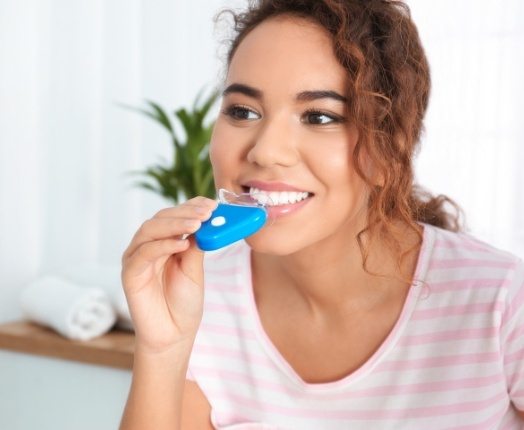
Unlike metal braces, Invisalign is a series of clear, plastic trays for your smile. Wearing these “aligners” slowly shifts your teeth to the right positions with micro-movements. Once the trays have done that job, your grin should be (and look) aligned and balanced.
Patients have to follow set guidelines for an Invisalign procedure. For starters, you must wear the aligners for 7-14 days before moving to the next ones. The trays should also stay on your teeth for at least 22 hours daily; you’ll have treatment delays otherwise. Still, sticking to these and similar rules ensures a straight smile in only 12-18 months.
Who Invisalign Can Help
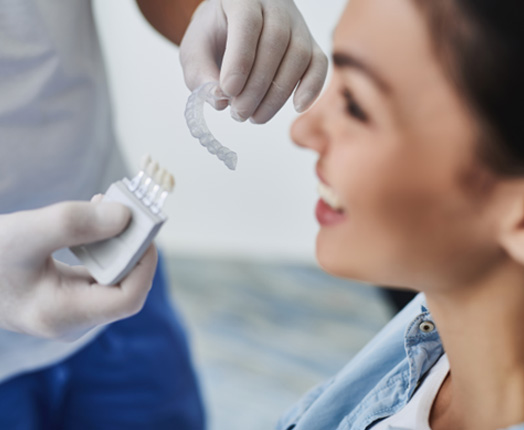
As great as Invisalign sounds, maybe you aren’t sure it’d help your smile specifically. People can have a wide range of orthodontic issues, after all; perhaps aligners can’t fix your own. That said, we at Benchmark Dental & Orthodontics can (and will) gladly address such uncertainties for you. Our team has listed several conditions below that Invisalign can help, as well as how treatment solves them. Please keep reading to learn about them, or call us to hear more exact details.
Crowded Teeth
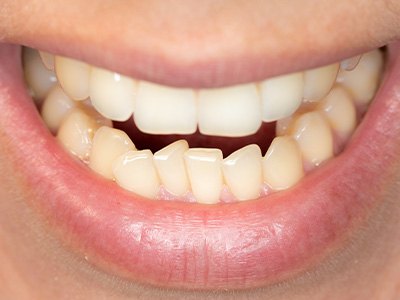
Crooked and crowded teeth are quite awful, all things considered. They make your mouth harder to clean as they create hard-to-reach spaces in your smile. In doing so, they typically increase your risk of harsh oral health issues – things like tooth decay, gum disease, and so on. Such problems add insult to the injury of a misaligned grin’s unpleasant look.
Thankfully enough, Invisalign can treat most cases of crowded teeth. All its aligners would have to do is shift each tooth to lie flush beside the adjacent ones.
Gaps Between Teeth
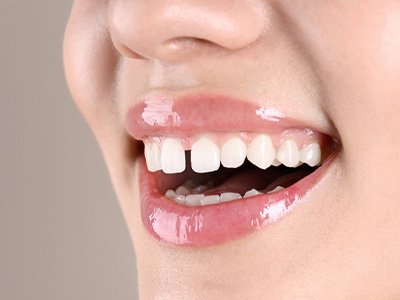
When you develop gaps between teeth, your problems are both cosmetic and health-related. Even as wide spaces in a smile appear ugly, they also serve as breeding grounds for harmful bacteria. The latter microbes use your grin’s gaps to multiply, thus making cavities and gum disease more likely.
The good news is that Invisalign treats toothy gaps. As it puts pressure on your teeth, treatment fills your smile’s empty spaces and deprives bacteria of breeding areas.
Overbite
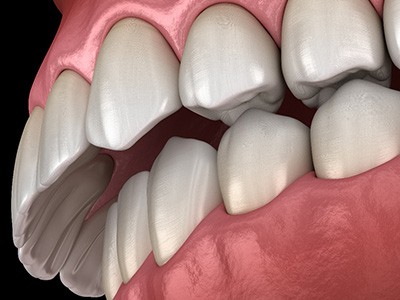
An overbite refers to top teeth that “jut out” too much from your lower arch. Therefore, it’s a type of misalignment that causes worn enamel, jaw pain, difficulty opening one’s mouth, etc. This bite problem also exposes the top teeth enough that it elevates the risk of severe injury.
Of course, we can still say yes to the question “Does Invisalign fix an overbite?” Clear trays can move your top teeth so that they don’t jut out from your mouth.
Underbite
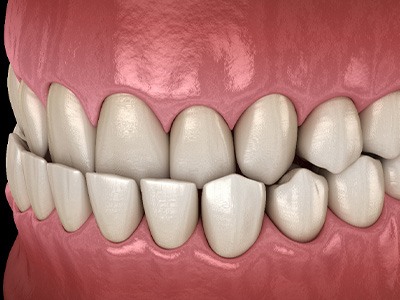
Honestly, an underbite is no less awful than an overbite. It causes many problems by making your bottom teeth go past your top ones. Indeed, the condition can trigger sleep apnea, mouth breathing, and difficulties with speaking and chewing.
Invisalign is a fine treater of underbites, though. Its aligners exert pressure on the bottom teeth, ensuring your lower arch doesn’t reach past the upper one.
Crossbite
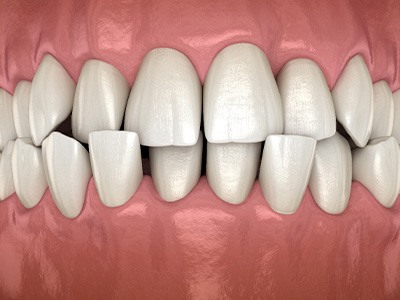
A crossbite occurs when your upper jaw sits inside the lower one, resulting in top teeth that fit just behind the bottom arch. The condition typically leads to gum disease, tooth decay, jaw pain, and headaches.
Crossbites aren’t a match for Invisalign, as luck would have it. You’ll simply need to note whether your own stems from bad jaw development first; that point determines whether you also need elastics.
Open Bite
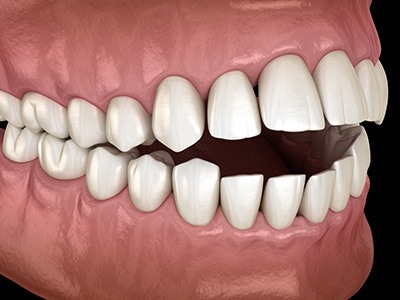
If your top and bottom teeth don’t overlap (or touch) when you close your mouth, you have an open bite. This condition often results in pronunciation trouble, enamel loss, and more.
You can rely on Invisalign to treat your open bite, though. Clear trays would bring your top and bottom teeth together to correct your bite pattern.
Benefits of Invisalign
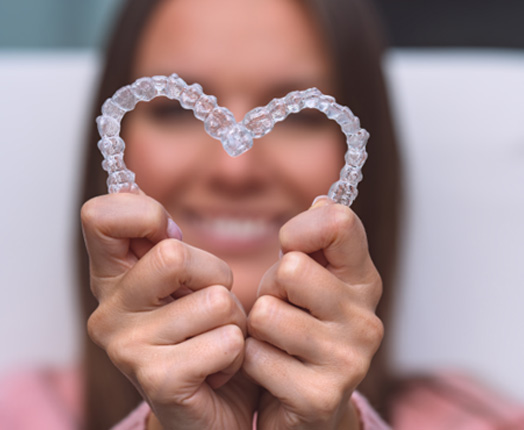
As an alternative to braces, Invisalign offers perks you won't find with metal brackets and wires. It’s for this reason that teens and young adults worldwide truly love the treatment! Since the trays use a unique design, they stand as the easiest and simplest way to align teeth. Our team will even outline the benefits of Invisalign in Copperas Cove, specifying them in great detail. Just keep reading to learn the relevant points, or call us to hear more.
Improved Comfort
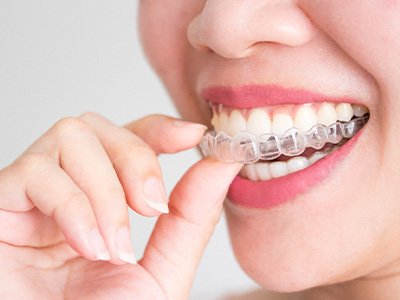
One good thing about Invisalign is that it won’t irritate your mouth. While braces can poke sensitive spots, clear trays align your smile quite comfortably.
It comes down to the design of Invisalign aligners. Since the trays are made of clear and smooth plastic, they don’t (or at least shouldn’t) disturb your mouth’s soft tissues. The most you might feel is a slight ache as you switch from old aligners to new ones.
Discreet Trays
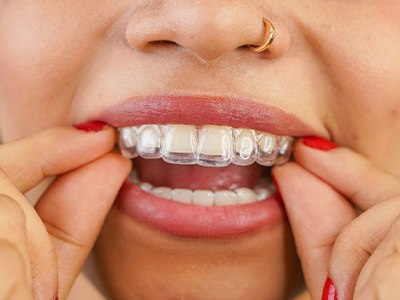
You know how braces can give you a case of “metal mouth?” Well, Invisalign doesn’t have that problem; its trays are discreet and blend with your grin.
Don’t forget that Invisalign relies on clear, transparent plastic. This material is nearly invisible to the eye, so it doesn’t stand out to the people around you. That means you can enjoy Invisalign without fearing for your looks, trusting that your trays don’t change your appearance much.
Better Dental Hygiene

Invisalign lets you enjoy better oral hygiene than you’d have with metal braces. Indeed, its clear trays won’t disrupt the daily cleaning of your teeth and gums.
Because Invisalign trays are removable, patients don’t have to clean around them every day. They can take the aligners off before using a toothbrush and floss as they normally would. As such, your oral hygiene during care should remain as effective as it ever was. The result will be a lower risk of oral issues than you’d face with traditional metal braces.
Non-Invasive Care
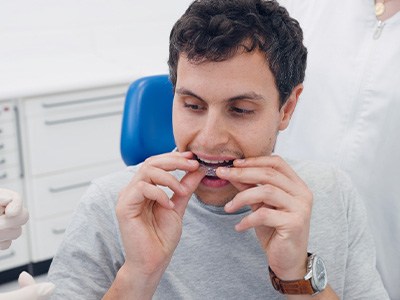
Should you get Invisalign, you won’t have to endure invasive orthodontics. The treatment process won’t cause major disruptions to your day-to-day life.
Invisalign doesn’t cement anything to your teeth, unlike standard metal braces. Its aligners are made to be removable so the patient can brush, eat, floss, and smile as usual. Furthermore, this removability ensures Invisalign has a flexible wear time that allows for rather short check-in visits. A patient can thus maintain treatment progress even if they have a hectic schedule.
Boosted Confidence
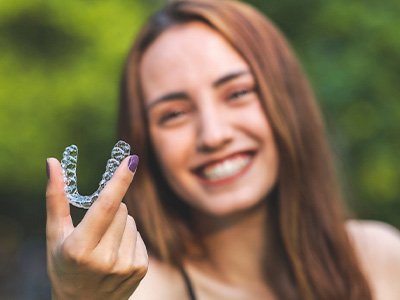
Invisalign won’t leave you fearful of any gaudy metal in your mouth. On the contrary, it’ll boost your confidence during and after treatment.
The simple fact is that Invisalign shouldn’t impact your smile’s looks. Its trays are highly transparent, so much so that friends, family, and coworkers won’t see anything “off” about your grin. These facts should leave you self-assured and at ease amidst your care.
Quick Follow-Ups
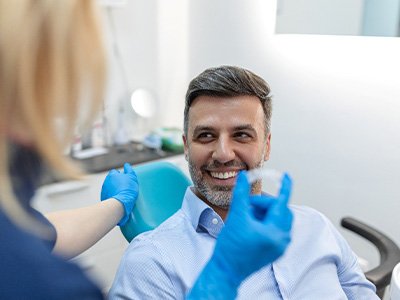
Though they involve “follow-up visits” like metal braces do, Invisalign sessions are faster and rarer. They won’t drain as much time and energy as other orthodontic appointments might.
You see, the typical Invisalign “check-in” is only every 6-8 weeks. This visit also takes as little as 15-30 minutes in total, especially if your treatment is on track. Such quickness stems from the dentist not having to assess brackets and wires, as well as not having to adjust a metal device.
Living with Invisalign Aligners
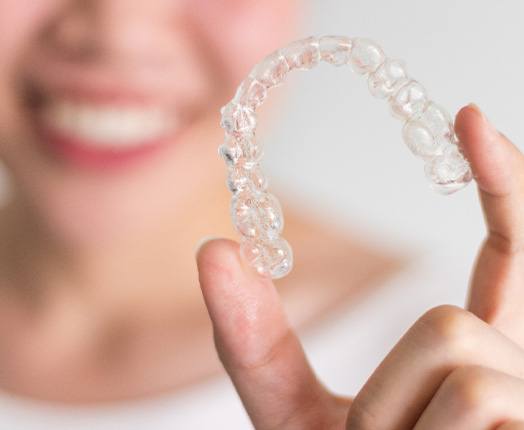
Once you have Invisalign trays, you’ll need to learn how to live with them. Tracking, maintaining, and caring for your aligners are all crucial parts of the treatment process. That being said, our practice has excellent tips on living with Invisalign trays from Copperas Cove. These guidelines will simplify your orthodontic journey, making it quite smooth and easy for you. Just keep reading to learn about them or call us to hear more over the phone.
Wearing Your Trays
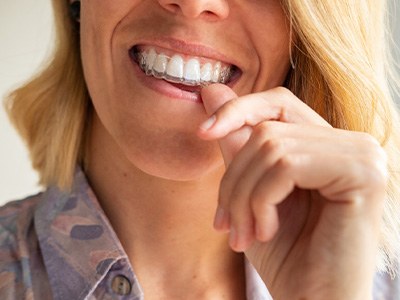
You must wear your aligners for 20-22 hours daily, as mentioned above. This “wear time” applies to each set of trays used in the procedure, and it ensures your overall treatment stays on track. Neglecting it would also give your teeth a chance to revert to their earlier positions. Given these facts, you should only ever remove your trays briefly to eat, drink something aside from water, or clean your smile.
Cleaning Your Aligners
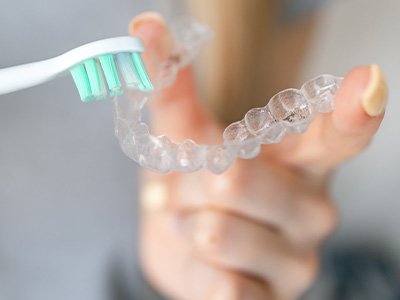
Another tip is to clean your trays often, as leftover food (and plaque) can easily cling to them. As for how to do so, the simplest way is to rinse the aligners with room-temperature water. Another approach would be to soak them in Invisalign cleaning crystals for 15-30 minutes once a day. If you prefer something “in-between” the prior two methods, there’s also the option of brushing the trays with a toothbrush and some clear hand soap.
Eating & Drinking

Anytime you eat or drink something besides water, you should remove your trays first. (Not doing so would damage your aligners and ruin your treatment.) You’ll then want to place the aligners in a protective case so you can keep track of them. After all, setting the trays aside prevents accidents, stops food from getting caught in them, and so on.
Losing or Damaging a Tray
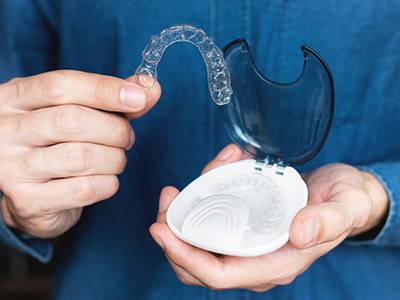
There’s a chance you’ll lose or damage your Invisalign trays, as aligners are small and clear. In that scenario, failing to resolve things quickly will cause a delay in your treatment timeline. You should thus consult your dentist if or when you lose or damage your trays. They can order new aligners as needed or advance you to the next set, using their own discretion to assess which option suits you more. (Moving you to a new set makes sense when you were already close to switching.)
Routine Check-Ins
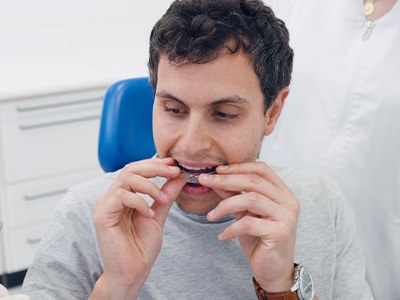
To be clear, Invisalign treatment requires regular check-ins like metal braces do. These visits aren’t (and shouldn’t be) painful or time-consuming, though; they’re simple and typically only take 15 minutes each. Each session lets your dentist provide your next aligner set and monitor your treatment progress. By attending them every 4-8 weeks, you’ll ensure your aligner journey goes just as it should!
How Much Does Invisalign Cost?

Invisalign is tailored for each patient, so its price tends to vary a lot. You’ll want to consult Dr. Celebi for an exact estimate before you commit to anything. As you visit with him, he’ll assess the factors that impact your treatment cost and find ways to make Invisalign more affordable. He and our office will even guide you through the role of dental insurance and other payment options. That way, your care will line up with your budget.
Invisalign FAQs
What Do Invisalign Trays Look Like When Worn?
Invisalign trays use clear plastic, which is fairly visible outside the mouth. However, they’re pretty hard to see or detect once worn.
In fact, the aligners can stay clean, clear, and discreet with proper care. Since they don’t have brackets or wires like “regular” braces, they straighten your teeth without affecting your looks. Friends, family, and peers likely won’t notice you wearing them. That all means you don’t have to worry about glaring cases of “metal mouth.”
Granted, some patients may need attachments, buttons, or elastics during treatment. These items don’t use clear plastic and can be more visible than aligners.
Can You Eat with Invisalign Trays In?
You can’t eat while wearing your Invisalign trays, as doing so will damage the aligners. That said, this treatment restriction shouldn’t interfere with your meals.
A big perk of Invisalign is that its trays are completely removable. When you need to eat or clean your teeth, you can take the aligners out before you start. That fact allows you to eat your favorite foods during the Invisalign process.
On the other hand, room-temperature water isn’t a threat to Invisalign. You can drink it while keeping your trays in your mouth. Still, make sure to remove the aligners for other beverages.
What Should I Do If My Invisalign Tray Broke?
While Invisalign aligners use durable plastic, they can still break and crack over time. The best response to this damage will depend on its severity.
For example, say one of your trays develops a hairline crack. You can still use it if you act carefully during removal and re-insertion. Really, all you’d need to do is apply even pressure when placing the aligner and reduce bending when taking it out.
More severe harm will warrant a trip to our office. DIY repairs can cause side effects, and moving to the next aligner set prematurely isn’t wise. Instead, Dr. Celebi will assess your situation and suggest suitable actions.
Will I Need to Wear a Retainer After Invisalign Treatment?
To be honest, yes – you’ll need to wear a retainer (or a similar device) after the Invisalign process. Not doing so would delay or even reverse your treatment results.
Even after finishing Invisalign, your teeth will be fairly mobile. They could easily move back to their earlier, crooked positions if you don’t act. Therefore, you must wear a retainer to preserve their newly-aligned looks in the long-term.
All that said, how long you’ll need to wear the retainer can vary. Different patients require different wear times depending on their circumstances. To get a precise estimate, please consult Dr. Celebi.